
Female infertility
Understanding female infertility
Infertility can be an emotionally challenging journey, but with the right guidance and medical support, achieving parenthood is possible. This guide explores the causes of female infertility and the advanced treatments available to help women conceive.

Symptoms of female infertility
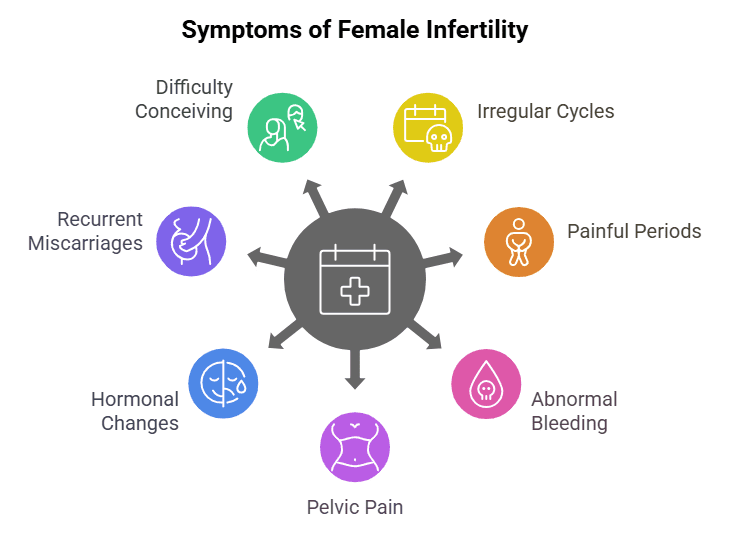
- Irregular or absent menstrual cycles.
- Painful periods (dysmenorrhea).
- Heavy or unusually light menstrual bleeding.
- Pelvic pain or discomfort.
- Hormonal changes (unexplained weight gain, acne, excessive hair growth, or hair thinning).
- Recurrent miscarriages.
- Difficulty conceiving after a year of unprotected intercourse (or six months for women over 35).
Risk factors for female infertility
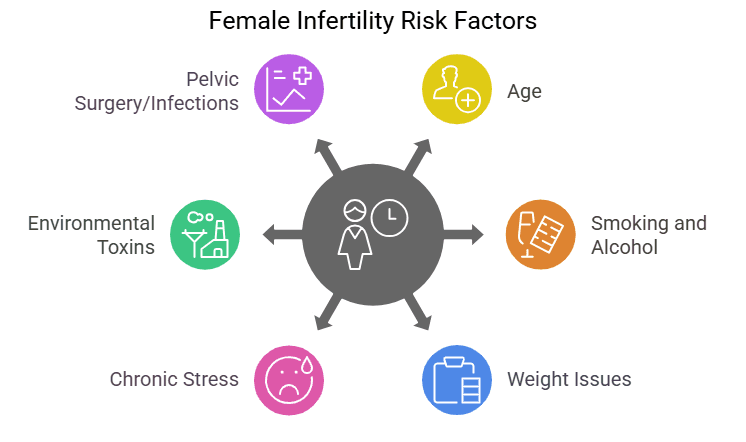
- Age (fertility declines after 35).
- Smoking and alcohol consumption.
- Obesity or being underweight.
- Chronic stress.
- Exposure to environmental toxins.
- History of pelvic surgery or infections.
Common causes of female infertility
Infertility in women can result from various factors, including:
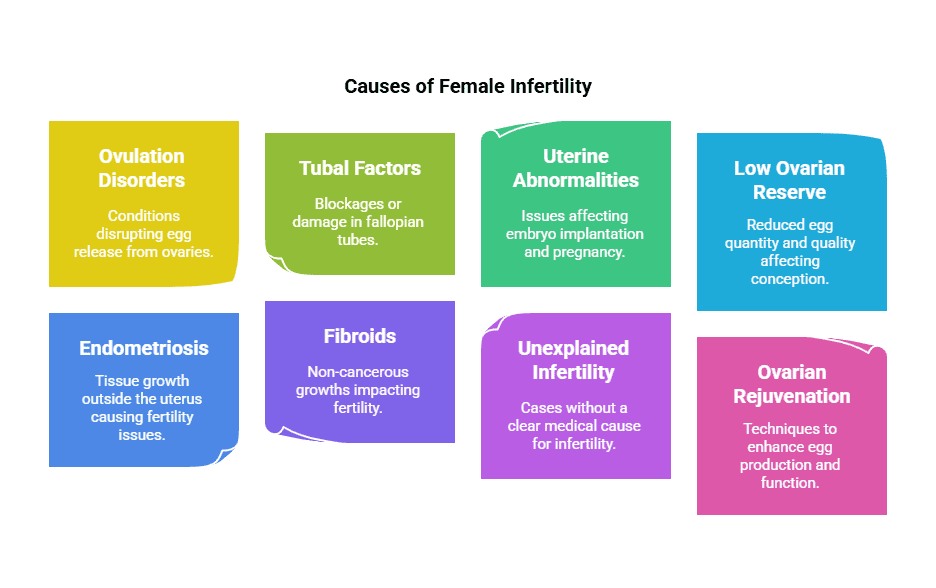
- Ovulation disorders: Conditions such as polycystic ovary syndrome (PCOS), thyroid imbalances, or other hormonal irregularities that disrupt the regular release of eggs from the ovaries. These conditions can lead to irregular menstrual cycles, making it difficult to conceive.
- Tubal factors: Fallopian tube blockages or damage caused by infections, endometriosis, or previous surgeries can prevent the egg from meeting the sperm, leading to infertility.
- Uterine abnormalities: Fibroids, polyps, or congenital anomalies of the uterus can interfere with embryo implantation and pregnancy maintenance.
- Poor ovarian reserve/Low egg count/Low AMH: A reduction in the number and quality of eggs, often related to aging, genetics, or medical conditions. Women with low anti-Müllerian hormone (AMH) levels may have a decreased ovarian reserve, making conception more difficult.
- Endometriosis: A condition where the tissue similar to the uterine lining grows outside the uterus, leading to inflammation, scarring, and impaired reproductive function. It can cause painful periods, pelvic pain, and fertility issues.
- Fibroids: Non-cancerous growths in the uterus that can alter the shape of the uterine cavity, block the fallopian tubes, or disrupt implantation, thereby affecting fertility.
- Unexplained infertility: Cases where no clear medical cause is identified, yet conception remains difficult. This may be due to subtle hormonal imbalances, egg quality issues, or immune system factors.
- Ovarian rejuvenation issues: Diminished ovarian function and poor egg quality can affect fertility potential. Ovarian rejuvenation techniques aim to enhance egg production and improve ovarian function for women with low ovarian reserve.
How does age impact female infertility?
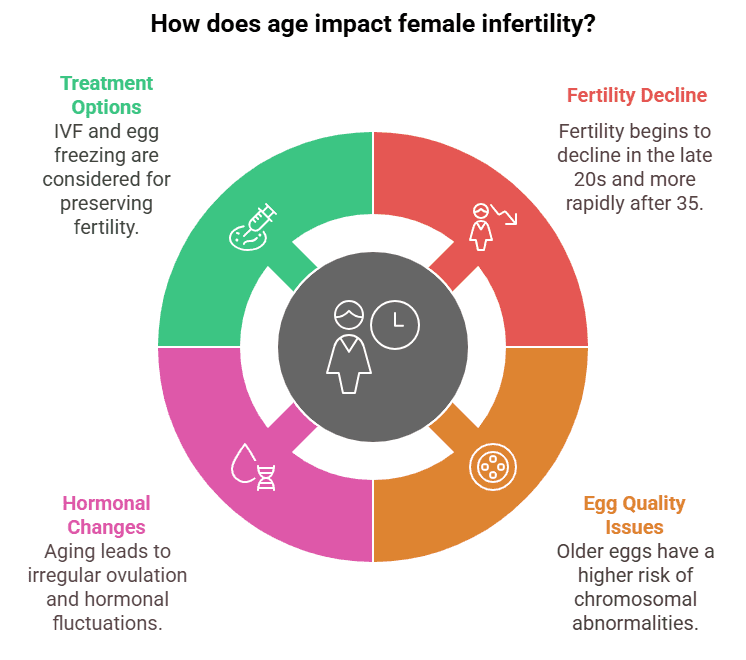
Age is one of the most significant factors affecting female fertility. Women are born with a fixed number of eggs, and both the quantity and quality decline over time.
- Fertility decline: A woman’s fertility starts declining in her late 20s and decreases more rapidly after 35.
- Egg quality: Older eggs are more likely to have chromosomal abnormalities, increasing the risk of miscarriage and genetic disorders.
- Hormonal changes: Aging affects hormone levels, leading to irregular ovulation or menopause.
- Treatment considerations: Fertility treatments like IVF are often recommended for women over 35, and egg freezing is an option for those wanting to preserve fertility for the future.
Advanced diagnostic services
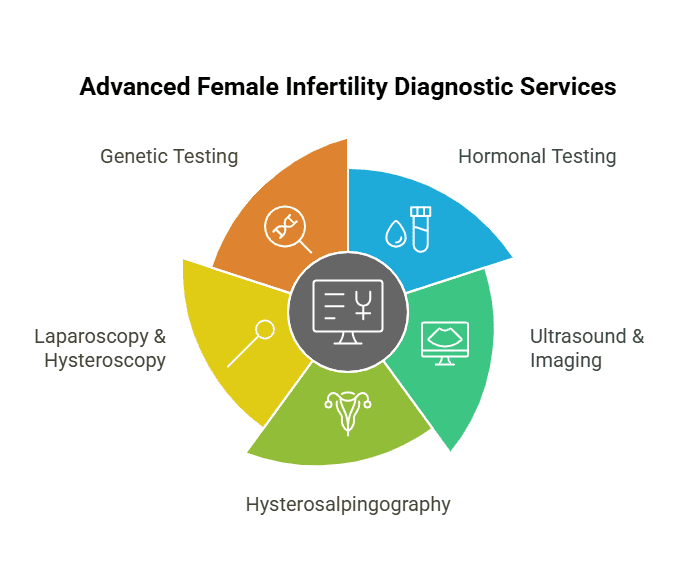
Identifying the cause of infertility is the first step toward effective treatment. Diagnostic options include:
- Hormonal testing: A comprehensive evaluation of reproductive hormones such as follicle-stimulating hormone (FSH), luteinizing hormone (LH), estrogen, and progesterone to assess ovulatory function and detect hormonal imbalances.
- Ultrasound & Imaging: Transvaginal ultrasound is commonly used to evaluate ovarian health, follicular development, uterine structure, and endometrial thickness. These imaging techniques help detect fibroids, cysts, or other abnormalities that may affect fertility.
- Hysterosalpingography (HSG): A specialized X-ray procedure where a contrast dye is injected into the uterus and fallopian tubes to check for blockages or abnormalities that might prevent the egg from meeting the sperm.
- Laparoscopy & Hysteroscopy: Minimally invasive procedures used to diagnose and treat underlying conditions. Laparoscopy involves inserting a thin, lighted instrument through a small incision in the abdomen to examine reproductive organs, while hysteroscopy allows for direct visualization of the uterine cavity to remove fibroids, polyps, or scar tissue.
- Genetic testing: Assessing for genetic mutations or chromosomal abnormalities that may impact fertility, recurrent miscarriages, or the success of assisted reproductive treatments such as IVF.
Tailored fertility treatments
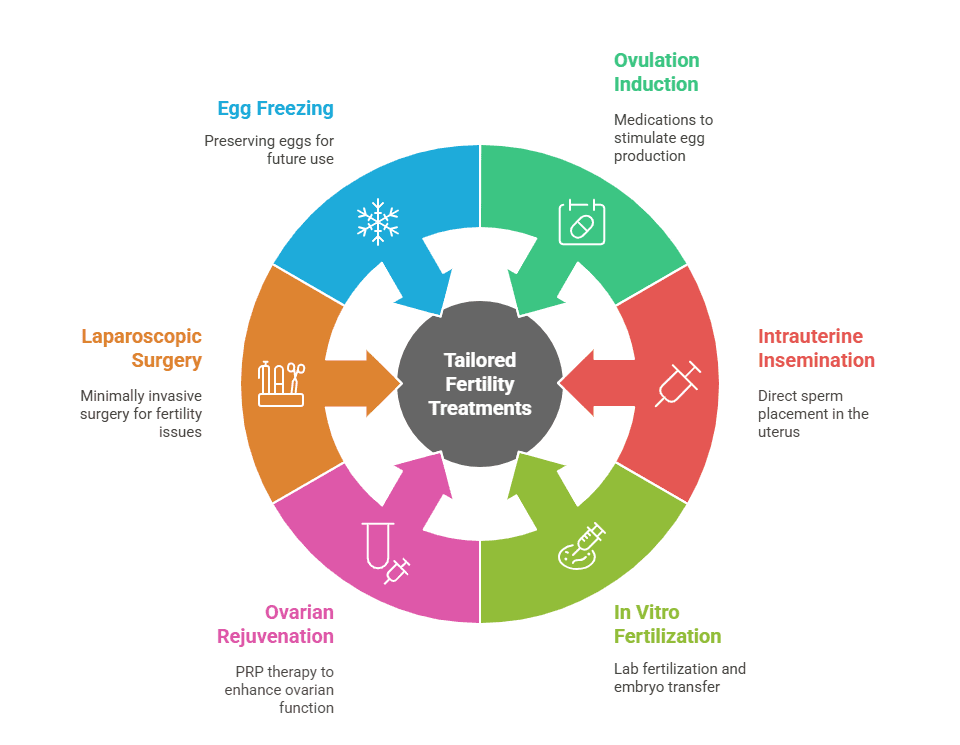
Personalized treatment plans are essential for successful outcomes. Options include:
- Ovulation induction & Hormonal therapy: This involves using medications such as Clomiphene Citrate or Gonadotropins to stimulate egg production and regulate ovulation, increasing the chances of conception.
- Intrauterine Insemination (IUI): A procedure that places concentrated sperm directly into the uterus during ovulation to enhance fertilization chances, often used in cases of unexplained infertility or mild male factor infertility.
- In Vitro Fertilization (IVF): The most advanced assisted reproductive technique, where eggs are retrieved, fertilized with sperm in a lab, and the healthiest embryos are transferred to the uterus for implantation.
- Ovarian rejuvenation & PRP therapy: Cutting-edge treatments that use platelet-rich plasma (PRP) to stimulate ovarian function, potentially improving egg quality and increasing fertility, especially for women with diminished ovarian reserve.
- Laparoscopic surgery: A minimally invasive surgical technique used to correct fertility issues such as blocked fallopian tubes, endometriosis, fibroids, and ovarian cysts, thereby restoring reproductive function.
- Egg freezing & Fertility preservation: Ideal for women who wish to delay pregnancy due to personal or medical reasons. This technique preserves eggs at a younger age, ensuring better fertility potential in the future.
When to seek medical help?
If you have been trying to conceive for over a year (or six months if over 35), experiencing irregular periods, or have known reproductive health conditions, consulting a fertility specialist is recommended. Early diagnosis and treatment can significantly improve the chances of conception.
Conceiving naturally
For women seeking natural conception, lifestyle changes, stress management, and nutritional support play a crucial role in boosting fertility. Conceiving naturally may be possible through hormone balancing, weight management, and tailored holistic approaches. Combining natural methods with medical interventions can optimize reproductive health.
Why choose Aagman – the best female infertility treatment hospital in Palanpur?
At Aagman Women’s Hospital in Palanpur, we understand the emotional and physical challenges of infertility. With advanced treatments and a patient-centric approach, we strive to provide the best care and highest success rates.

High success rates
Over X% success rate in treating female infertility across various conditions.

Experienced specialists
More than 15+ years of expertise in fertility treatments.
Cutting-edge treatments
Offering PRP therapy, ovarian rejuvenation, and personalized fertility solutions.

Dedicated fertility counseling
We provide expert guidance and counseling sessions to help couples navigate their fertility journey with confidence.

State-of-the-art technology
Advanced reproductive techniques leading to X% faster conception compared to conventional methods.

Patient satisfaction
Over X+ successful pregnancies and happy families.
At Aagman Women’s Hospital, we understand that fertility is deeply personal, and we are committed to supporting you at every stage. Whether you’re exploring natural conception, advanced fertility treatments, or reproductive health solutions, our team provides expert guidance with care and compassion.
📍 Located in Palanpur, Gujarat, we take pride in being a trusted name in women’s reproductive healthcare.
💖 Your dream of parenthood matters—Schedule a consultation today and take the next step toward a successful pregnancy.
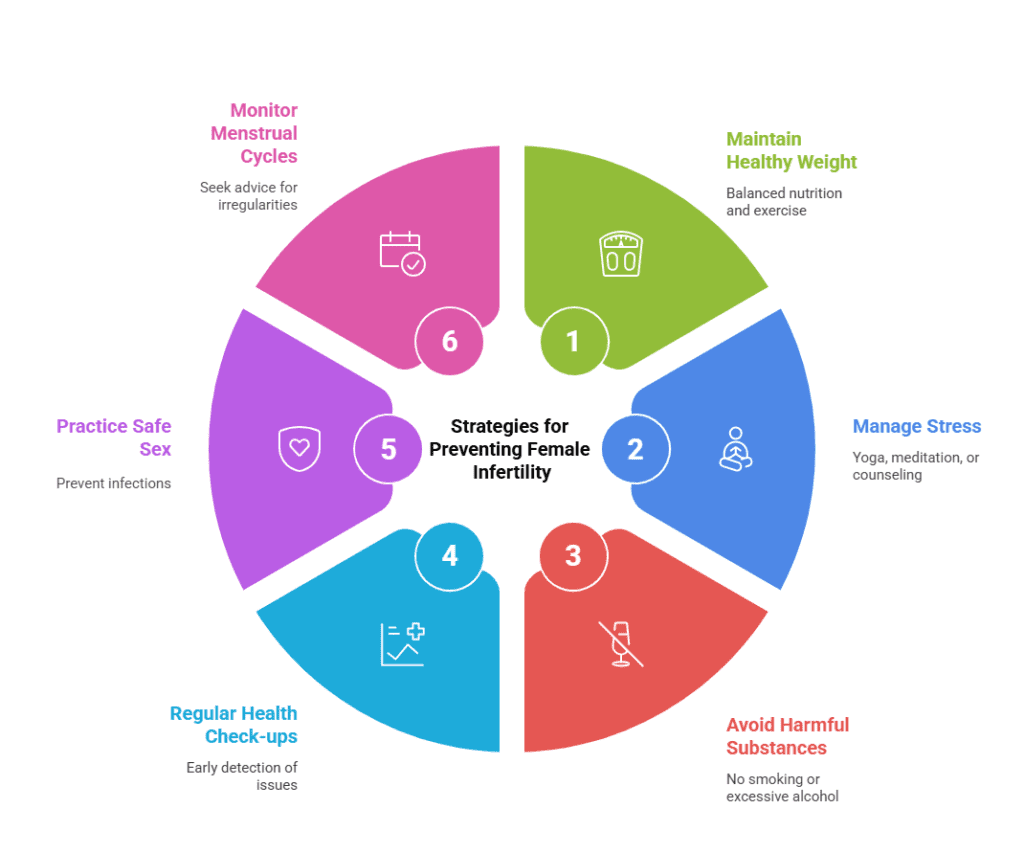
Prevention of female infertility
- Maintain a healthy weight through balanced nutrition and exercise.
- Manage stress through yoga, meditation, or counseling.
- Avoid smoking, excessive alcohol, and drug use.
- Get regular health check-ups for early detection of reproductive issues.
- Practice safe sex to prevent infections.
- Monitor menstrual cycles and seek medical advice if irregularities occur.
Read real stories from patients who trusted Aagman Women’s Hospital
Divyam Raval
Preeti Thakor
Swati Rajpurohit
Dinesh Goswami
Mohit Ramvani
Shree Shyam Construction
Watch real stories from patients who trusted Aagman Women’s Hospital


FAQs
We provide comprehensive gynaecological care, including general consultations, menstrual disorder management, menopause treatment, urogynaecology, adolescent gynaecology, and advanced surgical treatments.
Our expert team is led by Dr. Khanjan Maheshwari and Dr. Krupa Maheshwari, both highly experienced in gynaecological care, laparoscopic surgery, and reproductive health management.
Yes, we specialize in laparoscopic and minimally invasive procedures, ensuring faster recovery, less pain, and minimal scarring for our patients.
We are equipped with advanced diagnostic imaging, fetal monitoring, and state-of-the-art surgical facilities to handle complex cases with precision and care.
Absolutely! You can schedule an appointment by calling our hospital, visiting our website, or walking in for a consultation at our Palanpur location.
Yes, we provide complete obstetric and maternity care, including prenatal check-ups, high-risk pregnancy management, and postpartum support.
Yes, we accept most major health insurance plans. Our team assists with the claim process to ensure a hassle-free experience for our patients.
We provide Pap smears, HPV screenings, mammograms, and osteoporosis screenings to help detect health issues early and ensure timely treatment.
Yes, we offer fertility assessments, ovulation monitoring, IVF, and other assisted reproductive treatments to support women on their journey to motherhood.
Wear comfortable clothing and bring a list of any medications you take. If you have specific concerns, jot them down so we can address them during your consultation.
Yes, we handle urgent conditions like severe pelvic pain, heavy bleeding, and pregnancy complications with immediate medical attention.
Our team provides personalized recovery plans, follow-up consultations, and physiotherapy if needed to ensure a smooth recovery.